Saltar al contenido principal
- -

Decarbonisation of thermal energy

Duration

3 ECTS

Number of weeks: 4

Hours per week: 2

Context and overview

Space heating, cooling and hot water are essential end-uses contributing to cities' global final energy consumption. This MC will focus on decarbonising these energy demands, mainly through electrification. Learners will understand the relevance of thermal demand for cities and the climate goals that the EU green deal established on this topic. First, we will assess the current state of the existing technology employed in the cities to face the issue. Then, we will explore the alternatives available to decarbonise the thermal demand in urban areas.


The MC will focus on decarbonising thermal energy demands, mainly through electrification. First, it will provide an overview of the relevance of thermal energy in the cities' carbon footprint. Next, we will highlight this sector's EU Green Deal climate targets. The following topic will assess the existing thermal energy systems for heating, cooling and DHW in European cities. Ultimately, the MC will provide the skills for designing alternative technologies for achieving a carbon-neutral city. These alternatives involve solar collectors for DHW, heat pumps for heating and cooling, biomass boilers and hybrid systems, including storage.


Learning objectives

On the completion of the micro-credential, participants should be able to:

  • understand the relevance and challenges of decarbonising urban thermal demands
  • size solar DHW installations
  • size heat pumps installations for residential heating and cooling
  • size biomass boilers at a residential scale
  • design basic hybrid systems involving storage


Background

The following prerequisites are essential for the completion of the MC:

  • Basics on thermodynamics, heat transfer and hydraulics at EQF 4-5 level.


Units

  1. Concept and impact of thermal energy systems in urban environment
  2. Alternative heat pump technologies for residential heating, cooling and DHW
  3. Solar energy systems to decarbonise DHW thermal energy demand in the residential sector
  4. Alternative technologies to decarbonise thermal energy systems in cities
  5. Final exam


Teachers

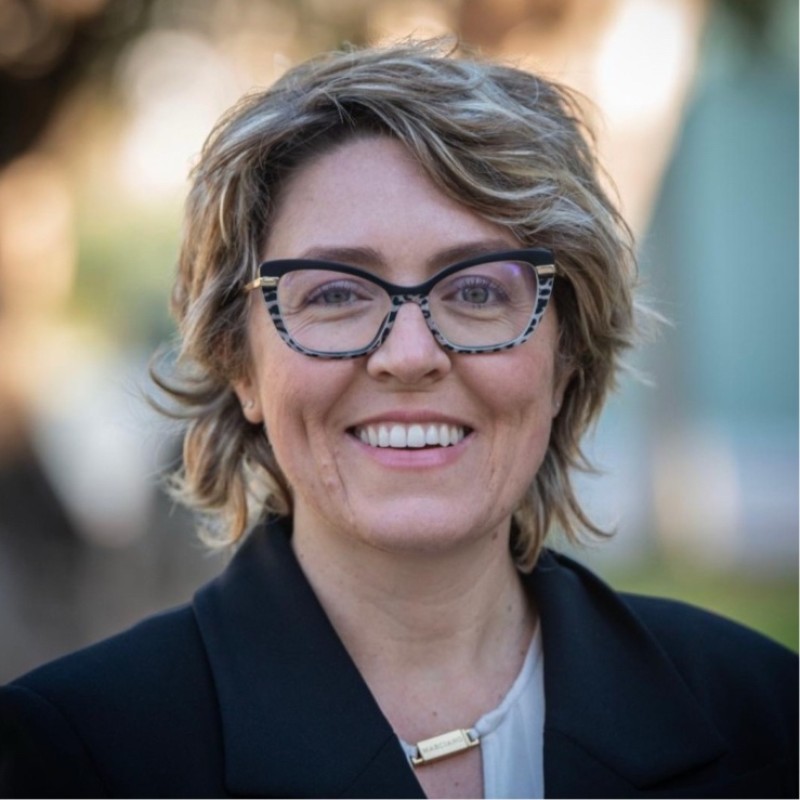
Carla Isabel Montagud Montalvá

Carla Isabel Montagud Montalvá is an Associate Professor in the Department of Applied Thermodynamics and a researcher at the Institute for Energy Engineering (IUIIE) at the Universitat Politècnica de València (UPV), where she has developed her research career for over 18 years. She holds a PhD in Industrial Engineering and currently serves as the Director of the UPV Chair of Urban Energy Transition.

Dr. Montagud’s research focuses on the design, modeling, and techno-economic optimization of complex energy systems for heating, cooling, and domestic hot water, with a strong emphasis on renewable energy integration. Deeply committed to both education and research, she actively works to transfer academic knowledge to society, supporting cities in their path toward climate neutrality and a fair energy transition.
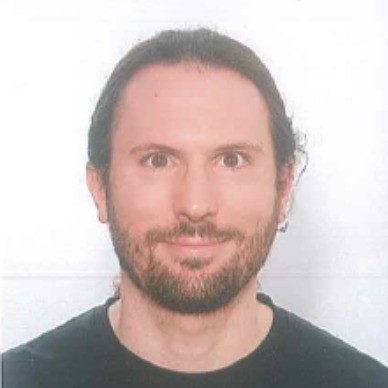
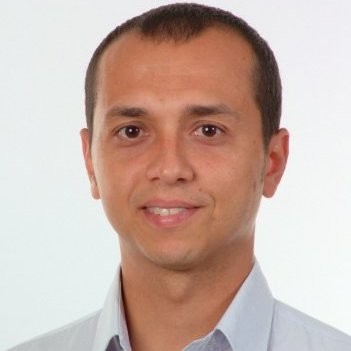
Antonio Cazorla Marín

Antonio Cazorla Marín is an Associate Professor in the Department of Applied Thermodynamics and a researcher at the Institute for Energy Engineering (IIE) at the Universitat Politècnica de València (UPV). With over a decade of academic and research experience, his work focuses on the advancement and optimization of sustainable thermal technologies.

Dr. Cazorla Marín’s primary research areas include concentrating solar energy for process heat, heat pump systems, ground source heat pumps, and the modeling of borehole heat exchangers. His ongoing work in
building energy efficiency directly addresses the technical challenges of decarbonising thermal energy
systems in modern urban environments.

Carlos Vargas-Salgado

Carlos Vargas-Salgado is an Associate Professor in the Department of Electrical Engineering and a researcher at the Institute for Energy Engineering (IIE) at the Universitat Politècnica de València (UPV). He holds a PhD in Engineering and Industrial Production, bringing extensive expertise in energy efficiency and renewable energy technologies.

Since 2005, Dr. Vargas Salgado has focused his research on the development of smart grids and microgrids, successfully integrating solar, wind, and biomass gasification with advanced battery storage. His work spans the entire project lifecycle, from design and optimization to automation and control. With a strong background in industrial energy savings—particularly in boilers, steam networks, and cogeneration systems—his practical and research experience is highly valuable for driving decarbonisation strategies in urban environments.

David Alfonso Solar

David Alfonso Solar is an Associate Professor in the Department of Applied Thermodynamics and a Senior Researcher at the Institute for Energy Engineering (IIE) at the Universitat Politècnica de València (UPV). With a background in environmental chemical engineering and international experience—including a Marie Curie fellowship in Italy—he has been advancing research in distributed energy resources and renewable energy integration since 2001.

His extensive research portfolio focuses on hybrid renewable microgrids, biomass energy optimization, and energy simulation tools. Highly relevant to the transition of urban environments, Dr. Alfonso Solar’s recent impactful work addresses city-level decarbonisation strategies, the assessment of rooftop photovoltaic potential, energy poverty, and the improvement of thermal comfort in Mediterranean cities. He is a highly active academic and mentor, having participated in over 30 research projects and supervised more than 80 university theses.

UPV

Enroll

MOOC es el acrónimo en inglés de Massive Online Open Course (que puede traducirse como Curso masivo abierto online).

Las siglas MOOC se utilizan para referirse a una iniciativa que comenzó en 2011 con un curso de Introducción a la Inteligencia artificial de la Universidad de Stanford en el que se inscribieron 160.000 estudiantes de 190 países, y que se ha convertido ya en un movimiento global al que se han incorporado las mejores universidades del mundo con la creación de diversas plataformas MOOC y miles de cursos que comparten un objetivo: proporcionar acceso gratuito a una formación superior de calidad a cualquiera que tenga una conexión a internet.

Los MOOCs están basados en la integración de tecnologías que existen desde hace tiempo en Internet: el vídeo en red, la evaluación automática a distancia y los foros de preguntas y respuestas en la web. Pero es ahora cuando los usuarios se han acostumbrado a usar el vídeo en red y las redes sociales en su día a día en Internet, lo que facilita que se creen comunidades de alumnos situados en cualquier parte del mundo que comparten conocimientos y experiencias y se ayudan en el proceso de aprendizaje, dándole a la formación online un nuevo enfoque colaborativo. Esto, unido a la disponibilidad de acceso a los cursos MOOC en cualquier momento y desde cualquier lugar en donde se tenga acceso a Internet, ha permitido crear una nueva comunidad global de estudiantes.

Los MOOCs de UPV[X] están diseñados para ayudarte a aprender trabajando a tu ritmo de forma independiente y proporcionarte el apoyo de la comunidad de aprendizaje si te hace falta.

Para ello los MOOCs están estructurados en módulos que suelen corresponder a una semana de trabajo (aunque no siempre es así). Los módulos se estructuran en lecciones con un vídeo, que dura normalmente entre 3 y 10 minutos, y una pregunta de refuerzo al final para ayudarte a fijar su contenido. Las lecciones están orientadas a tratar un concepto (o un número reducido de ellos) de forma que sean lo más atómicas que sea posible.

Los cursos MOOC de UPV[X] pueden tener distintos esquemas de evaluación, pero lo habitual es que al terminar cada módulo haya un examen (normalmente tipo test) que te permitirá comprobar tu evolución y fijar los conocimientos, y que cuenta en cierto porcentaje para la evaluación final. Con ello tendrás una realimentación frecuente de tu progreso que te permitirá ir mejorar tu proceso de aprendizaje.

Al acabar el MOOC habrá a un examen final para evaluar si has alcanzado los objetivos de aprendizaje que contará en un porcentaje mayor para la evaluación final.

En los MOOC también hay un foro de debate moderado por el equipo del curso donde los alumnos pueden consultar sus dudas sobre el contenido del curso y comentar aquellas cosas que les parezcan interesantes. El acceso a una comunidad online de internautas con tus mismos intereses y que están aprendiendo a la vez enriquece la experiencia del curso.

Esperamos sinceramente que disfrutes de nuestros MOOCs y aprendas con nosotros